Building Social Skills, Companionship & Connection
Building Social Skills, Companionship, and Connection
Guiding Your Children Toward Confident Social Connections
Social Skills Groups in Carmel, IN
Our board-certified ABA therapists at MindWay ABA help your children with autism in Carmel, Indiana, build social skills that allow them to engage with the world around them more confidently. Through our structured Social Skills Group, our experts can guide your child in learning how to connect with people and peers, understand different social cues, and participate more comfortably in different day-to-day conversations and activities.
For many children with autism, entering social situations can feel like entering a maze without a map. You might notice your child pause without any reason before joining a game or struggle to pick up on what other kids his or her age are doing, or simply get anxious in group activities. These moments are not just about effort, but also about how their brains process social information and development skills.

At MindWay ABA, we understand this and offer a safe and structured space for your child to explore, practice, and strengthen their social connections. Our use of evidence-based ABA therapy strategies in small supported group environments enables social learning that feels safe, practical, and achievable. Families across Carmel choose MindWay ABA because we focus on skills that matter in everyday life and personalize our efforts to align with each child’s individual needs while also having multiple insurance and Medicaid coverage options.
Parent Testimonials
Real Families. Real Progress. Real Hope
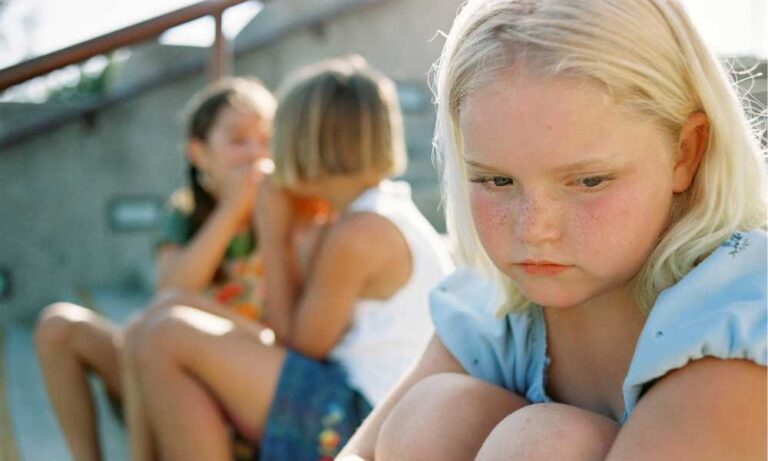
The goal is not to make a teen act like someone else. The goal is to reduce barriers, strengthen useful skills, and make everyday life feel more manageable.
Why Social Skills Can Be Hard With ASD
Children with autism can face different challenges in social interactions for several reasons:
-
- Difficulty in reading nonverbal cues, like intonation changes, expressions, or gestures.
- Feeling anxious or overstimulated in larger social groups
- Having limited opportunities to practice peer interaction in more controlled and structured settings
- Trouble understanding and interpreting social rules that are generally ‘unspoken’ for others
- Finding it challenging to communicate their emotions or intentions.
At MindWay ABA, our experts understand these hurdles and personalize each Social Skills Group to make sure we meet your children where they are. Using ABA principles, we break social behaviors into demonstrable and achievable steps that help your child gain skills they can use both inside the therapy room and outside it.
what makes us different
What Makes Social Skills Groups at MindWay ABA Successful
Peer Confidence and Self-Esteem Development
We know how important it is for your child to feel proud of their accomplishments. In our social skills groups, we acknowledge every step that they take forward, whether it's joining the conversation, waiting for their turn, or simply managing the frustration. This way, they feel more confident over time and feel more willing to take social risks in safe ways.
Community Connection and Real-Life Practice
We don't just give your child social skills that are only good for the therapy room. We make sure they are developing skills that are applicable in real-world settings such as, on the playground, in the classroom, at home, or at community events.
Sensory-Friendly Social Learning
We understand sensory overload and sensitivities can often affect how your child reacts in a social setting. We have designed our groups to minimize overwhelming stimuli, whether it's lighting or noise, so your child can focus on learning. We also offer play-based ABA therapy programs for children who flourish more in those settings.
Preparing for School and Peer Transitions
Our social skills groups can help your children apply what they learn in group settings to classroom and cafeteria interactions at school. We make sure to focus on real-life readiness, including: joining class projects or group discussions, participating in educational activities, and simply making friends during recess.
Building Friendships
One of the most powerful benefits of integrating your child into a social skills group, is the friendships that are formed between the students. For some of our kiddos, their friends at MindWay become their their favorite people to play and grow with. The group that may start out feeling scary becomes a safe place that brings so much joy.
Learning Social Awareness
Sometimes kids teach kids best. There are some things in life that are taught and other things that are caught. We find that children learn quickest from one another about what is and is not acceptable in peer groups. We also find opportunities to teach empathy, self-awareness, and emotional intelligence in practical ways.
What Are Social Skills Groups for Autism
Our Social Skills Groups are simply structured therapy sessions where your child with autism can learn how to interact with people, recognize social cues, and practice communication in real-life settings. In these groups, your child can:
- Learn how to start and maintain conversations, or even end them
- Practice different turn-taking scenarios, sharing, and cooperation with other members of the group
- Develop an understanding of different nonverbal cues
- Build valuable problem-solving skills during group activities
- Apply social skills in fun, predictable, and supportive group settings

ABA Therapy that Respects the Whole Teen
Unlike traditional classrooms where your child may feel forced to engage and rather pressured, our groups focus on learning through experience rather than forcing compliance over them.
Common Questions from Caring Parents
Frequently Asked Questions
How much does it cost for my child to join a social skills group?
Who can benefit from a social skills group?
What skills are taught in a social skills group?
Social skills groups often focus on self-awareness, self-management, social awareness, relationship skills, and responsible decision-making. These areas support better interaction with peers and stronger day-to-day coping skills.
How can a social skills group help with emotional regulation?
Social and emotional growth are closely connected. When a child has a better understanding of social cues, expectations, and how to respond in a group, it can reduce frustration, shutdowns, and emotional overwhelm. Your clinic materials also note that stronger social functioning can support better emotional regulation.
Can social skills groups really help children with autism?
Yes. Children with autism often benefit from direct teaching and guided practice in areas like communication, turn-taking, social awareness, and flexibility. Your clinic’s materials also describe how social difficulties and emotional dysregulation are often linked, which makes this kind of support especially meaningful.
What happens during a typical social skills group session?
A typical session may include guided conversation practice, role-play, turn-taking activities, cooperative games, problem-solving, and feedback in a supportive environment. The goal is to help children practice skills in real time rather than only talking about them.
Do parents have a role in social skills growth?
Yes. Parent involvement matters because children learn best when skills are supported beyond the session. Practice with routines, communication, emotional regulation, and respectful back-and-forth at home can reinforce what they are learning.
Why choose a social skills group in Carmel, Indiana?
Choosing a local social skills group in Carmel makes it easier for families to access ongoing support close to home. It also gives children a chance to build skills that can carry into school, community activities, and everyday life.

How to Visit MindWay ABA in Carmel, IN? Driving Guide!
Head north on Range Line Road through Carmel. Make a turn towards the east onto Main Street or 131st Street. Continue on that road for about two miles. Turn towards your north onto Hancock Street. You'll find MindWay ABA to your right at 12354 Hancock Street (Formally known as Autism Parent Care) with convenient parking and experts ready to help you and your child.
Sources
1. NICHD, Behavioral Management Therapy for Autism.
2. CDC, Treatment and Intervention for Autism Spectrum Disorder.
3. CDC, Autism Spectrum Disorder in Teenagers and Adults.
4. Carmel Clay Schools, About.
5. City of Carmel, Our City.