



Play-Based ABA Therapy that's Fun & Effective
ABA Therapy that's Fun & Effective
Interactive Play-Based ABA Therapy, Carmel
What is Interactive Play-Based ABA Therapy?
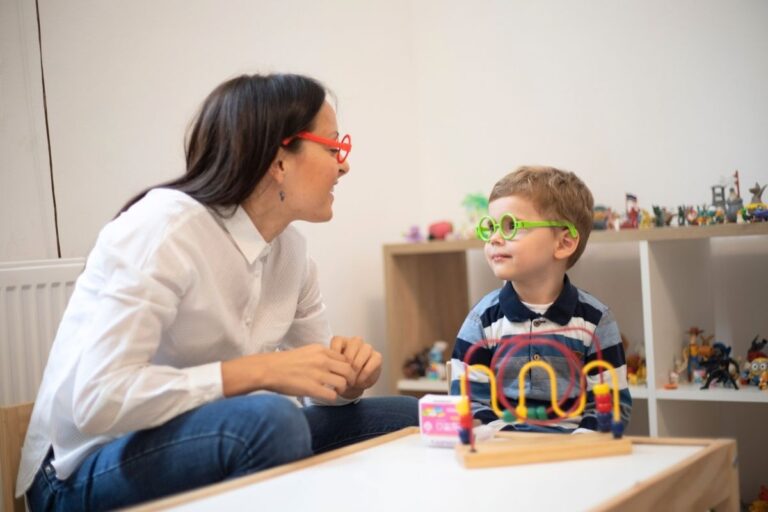
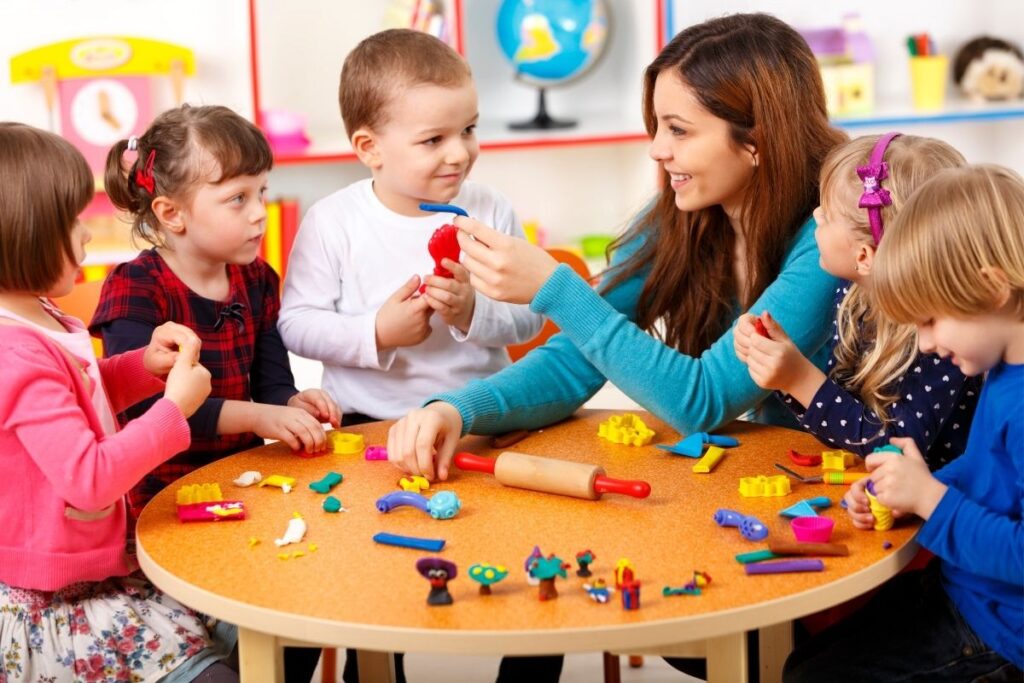
In our play-based ABA therapy, play isn’t just an activity; it’s the engine for real learning. Our therapists weave developmental goals into joyful, child-led moments, creating an inviting space where children feel excited to participate. Through play, kids explore, discover, and connect with their world in ways that feel natural, empowering, and genuinely fun.
Play-Based ABA Builds Strong Social Skills
Play gives children a natural way to practice the foundations of connection, including:
- Taking Turns
- Sharing
- Cooperation
- Understanding Social Skills
- Building Early Friendships
Interactive ABA Strengthens Communication
Children communicate best when they are self-motivated, and nothing motivates a child more than wanting to play. This is the primary reason play-based ABA therapy is so powerful. Through playful interactions, children learn to:
- Make Requests
- Express Needs
- Initiate Conversations
- Use Words, Gestures, or AAC in Meaningful ways
Play-Based ABA Reduces Challenging Behaviors
Children love to play. Plain and simple. Once they are having fun, they don’t want to stop. It’s part of what makes them so wonderful. It’s also a big part of why play-based therapy is so effective. It helps children explore better ways to communicate and cope. by supporting:
- Alternative, Appropriate Behaviors
- Emotional Expression
- Predictable Routines & Expectations
- Positive Replacement Skills
Interactive ABA Supports Self-Regulation and Improved Social Skills
Playing well means being someone others want to play with. For some, this is a harder concept to learn, and self-regulation needs to be practiced. Structured play activities help children with:
- Waiting Their Turn
- Following Instructions
- Managing Frustrations
- Transitioning Between Activities
Parent Testimonials
Real Families. Real Progress. Real Hope
How Interactive Play-Based Learning & ABA Therapy Works
Early education programs have begun to recognize play-based learning as one of the most powerful and effective ways to teach both typical and atypical children. Embracing curiosity, creativity, communication, and social learning through the art of play is pure magic when it comes to teaching children. Why? Because it is child-initiated and teacher-supported.
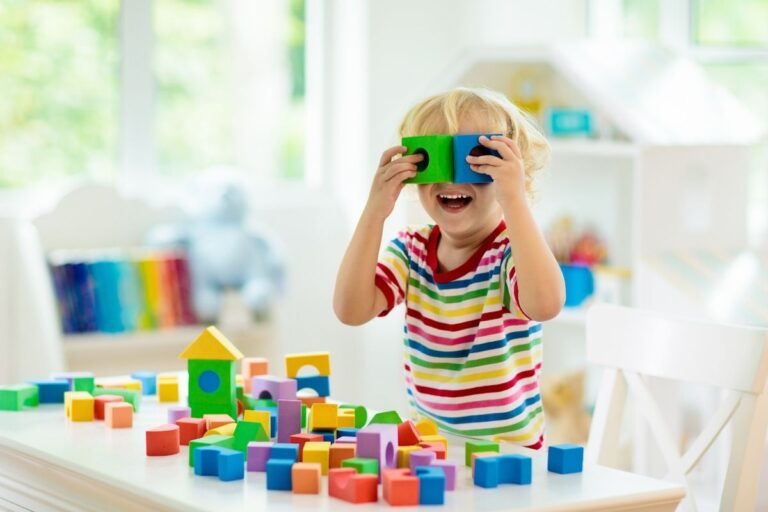
At MindWay ABA in Carmel, our therapists motivate and encourage children to explore and expand their thinking while using their imagination. For example, if a child is building a structure out of blocks, we may ask open-ended questions that prompt the child to communicate what they are doing. We may ask questions such as:
- Can you tell me about what you are building?
- That is so neat! Why did you choose to build that?
- What do you think your next will be?
5 Reasons Why Play-Based ABA Therapy Works Like Magic

Play is Self-Initiated / Self-Directed
With play-based ABA therapy, the child decides how to play, when, and for how long. The therapist joins the child in their world and helps guide them into exploration and communication.

Play is Enjoyable
There are no specific objectives or expetations given to children during their playtime. Instead of giving them a pile of legos and telling them to build a house, set some legos out and allow the child to engage with them on their own initiative. Let them build whatever they want and ask supporting questions along the way.

Play is Unstructured
Other than keeping the child safe, there are no rules in play-based learning. There is no right and wrong way to play, and there is no external pressure to follow a formula. This allows children to explore without fear of failure, and play with freedom.

Results Don't Matter
Play-based therapy is never about the end result. It does not matter what the lego structure looks like at the end. All that matters is that the child enjoyed the journey of creating something from nothing and that they were able to explore along the way.

Imagination is King
When children are given the freedom to explore their imagination without expectations, creativity can flow best. Playing make-believe and role playing helps nurture empathy and develop social skills better than any curriculum or routine.